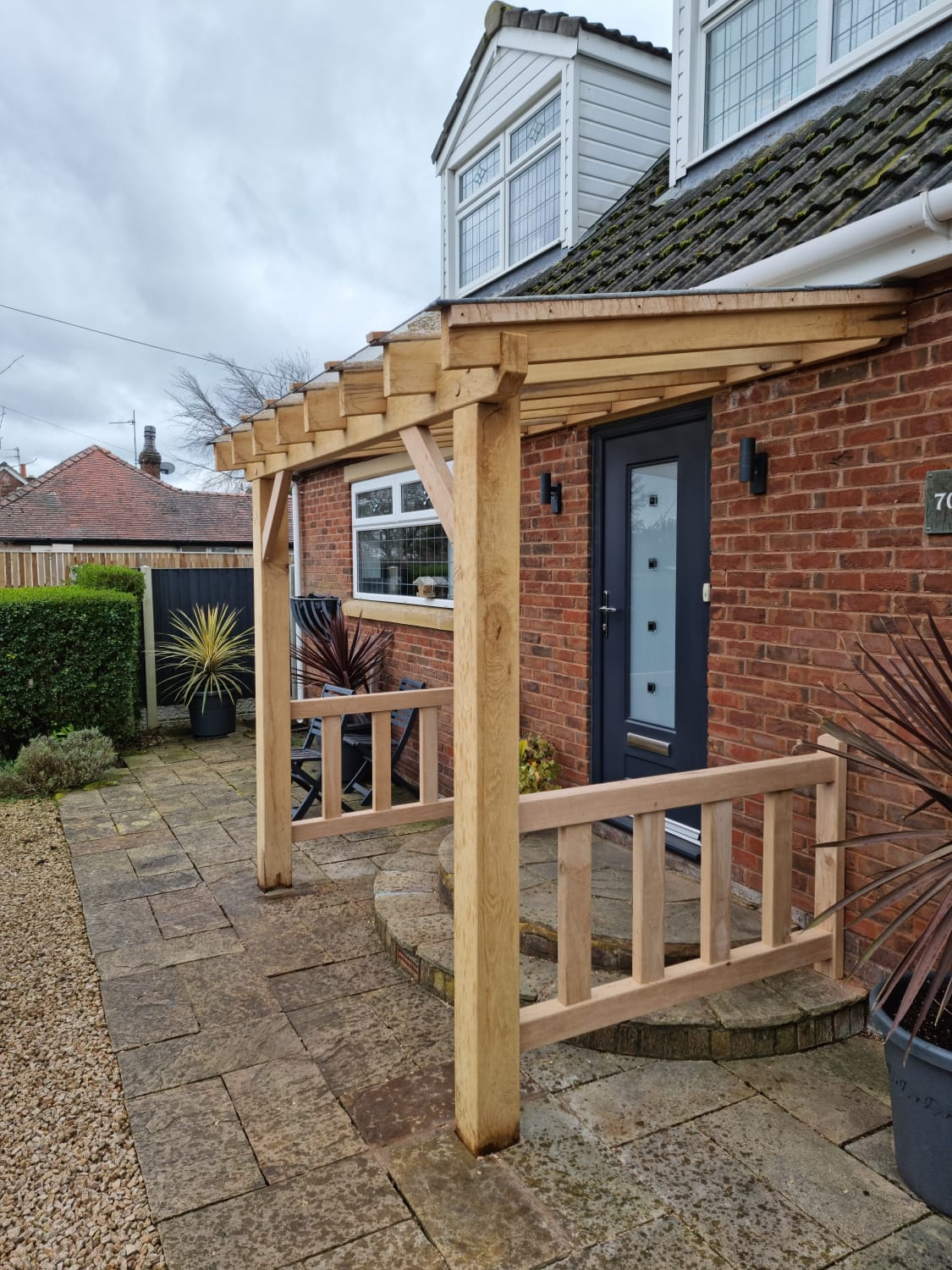
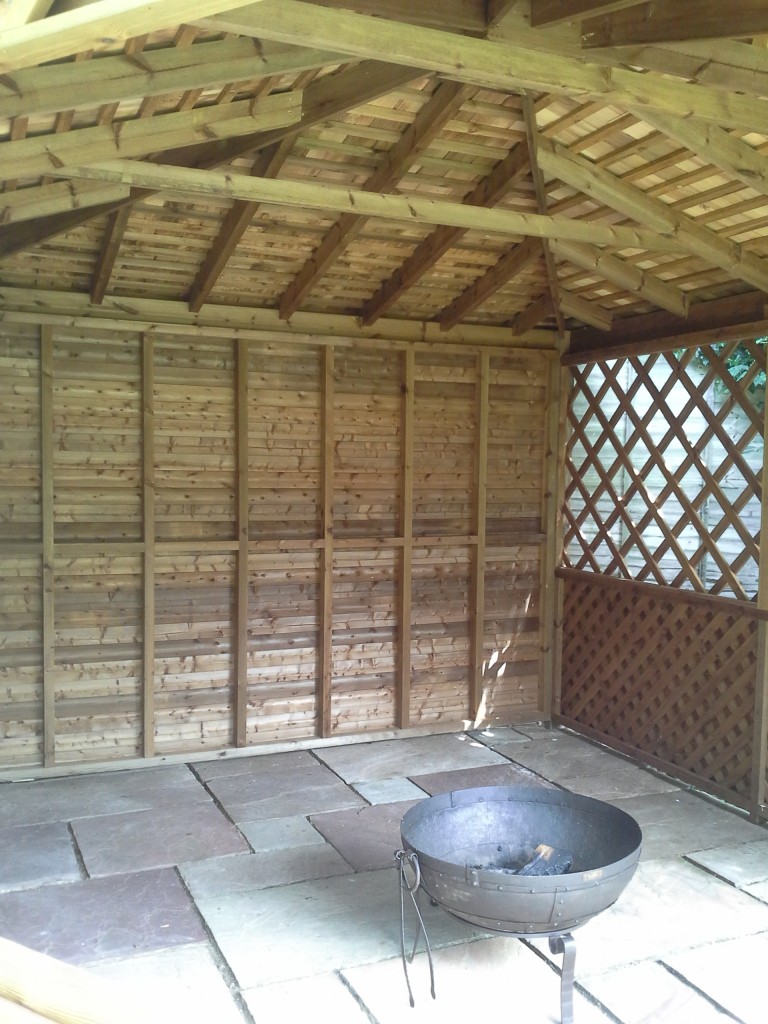
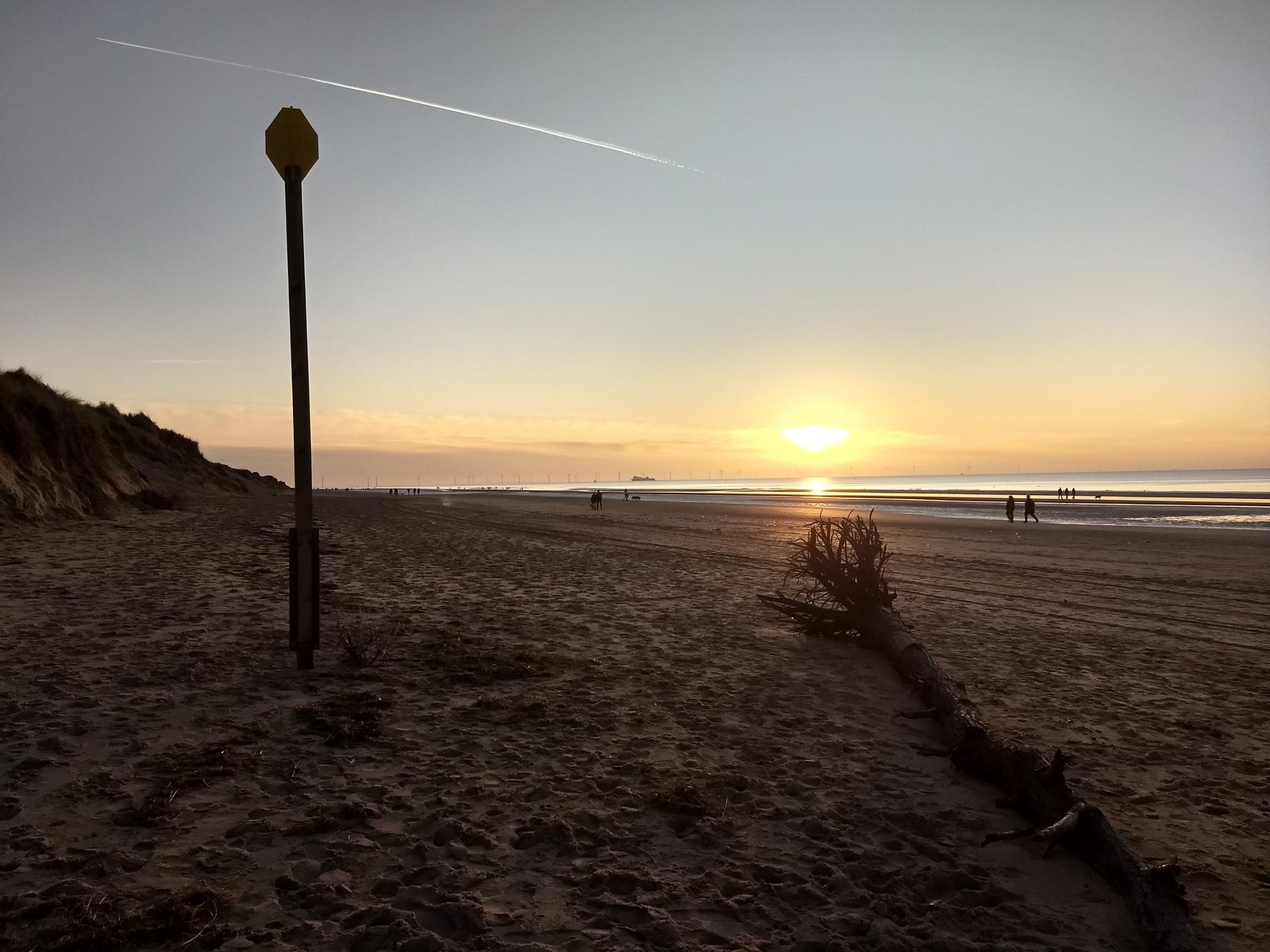
Hightown is a small coastal village tucked between Formby and Crosby - 15 minutes from the Southport workshop. A lot of the work I do here is along Sandy Lane and the side roads, mostly seaside-resistant oak decks, treated timber gates, porches, and fences that can stand up to the salt-laden winds coming off the Irish Sea.
Coastal timber - what actually lasts in Hightown
Hightown is right on the coast - you can walk from the village centre to the beach in five minutes - and that means external timber needs to be properly specified. Standard pressure-treated pine lasts about 8-10 years at best before needing replacement. Red-wood fencing the same. For jobs expected to last 20+ years I recommend either European oak (naturally rot-resistant, weathers to a gorgeous silver-grey), western red cedar (lighter, lovely smell, excellent rot resistance), or high-grade hardwood like iroko for decking.
Typical Hightown jobs
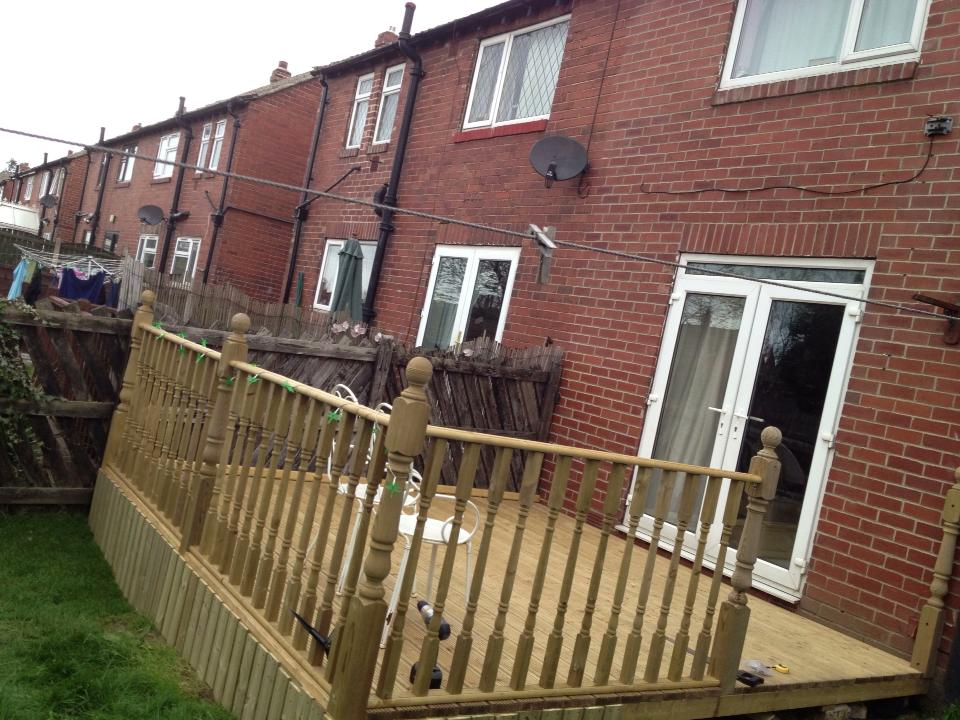
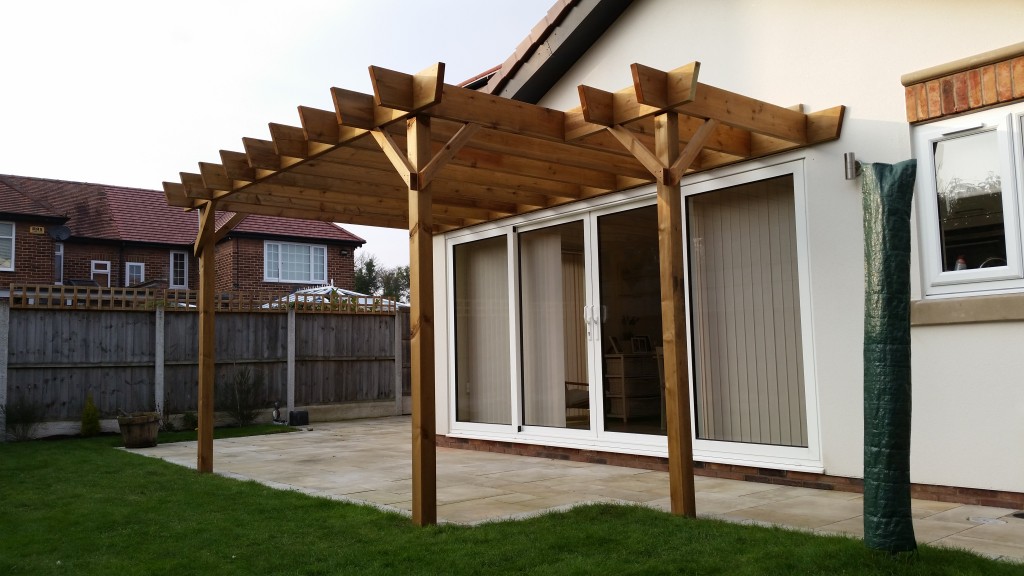
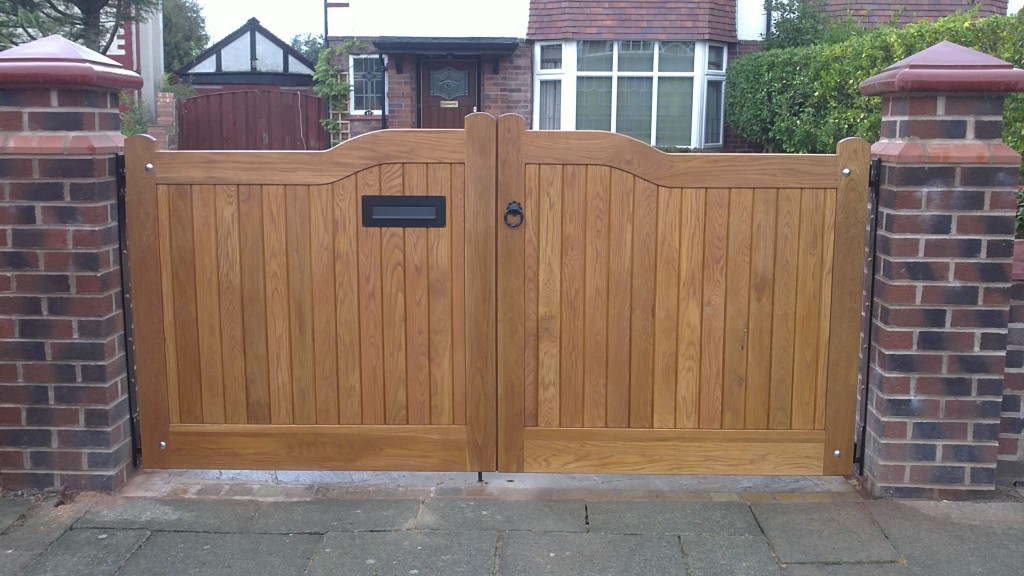
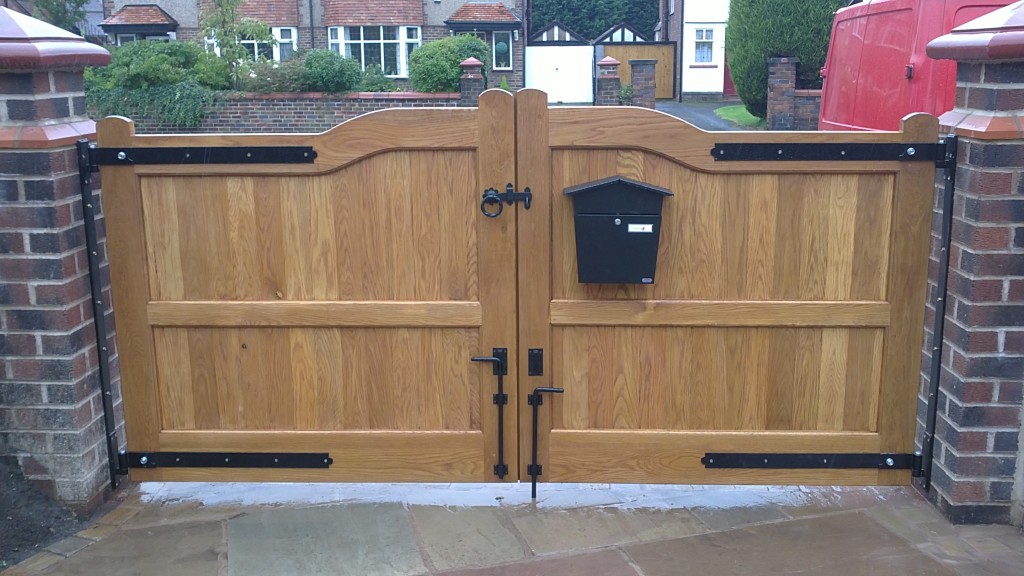
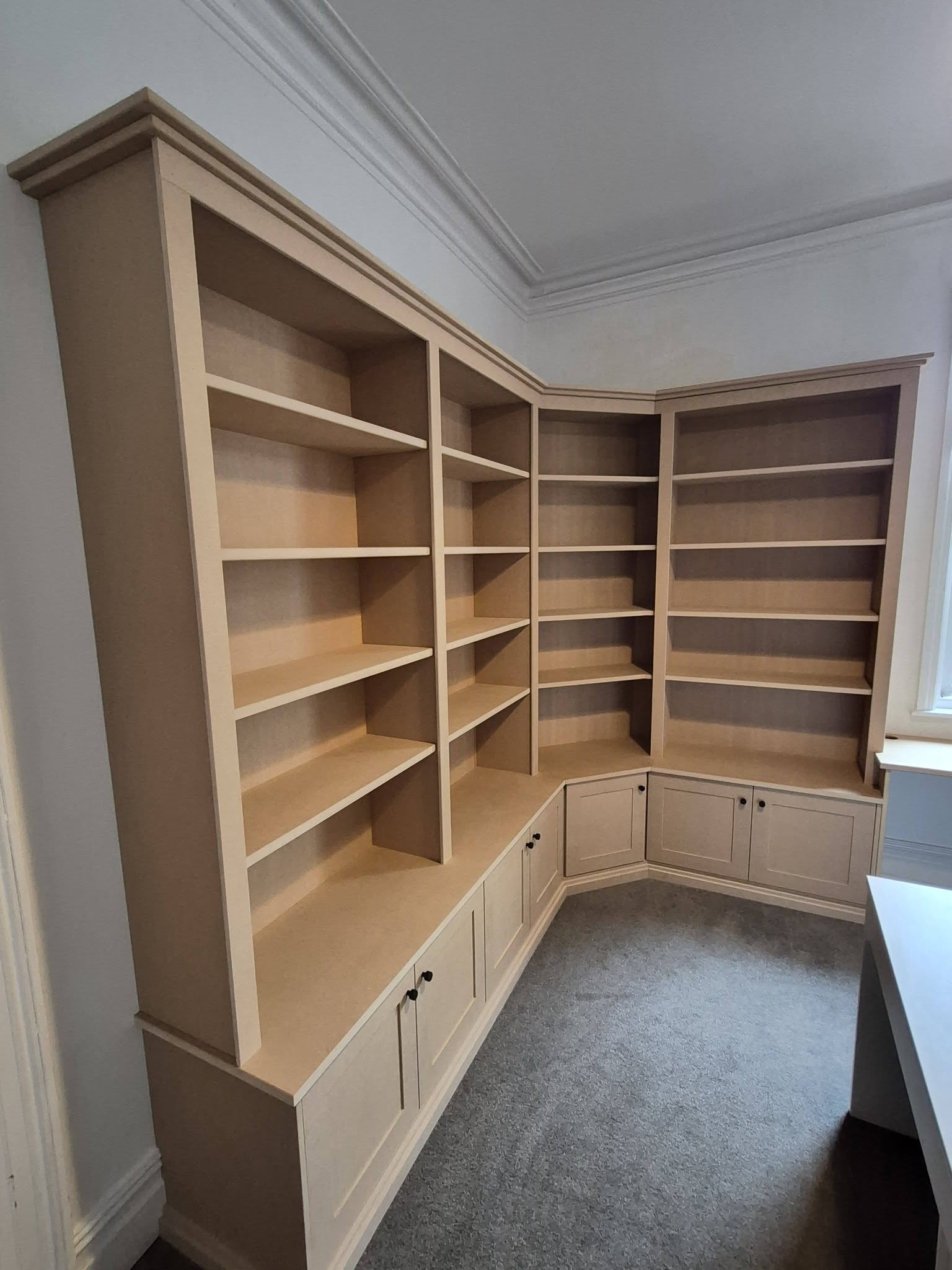
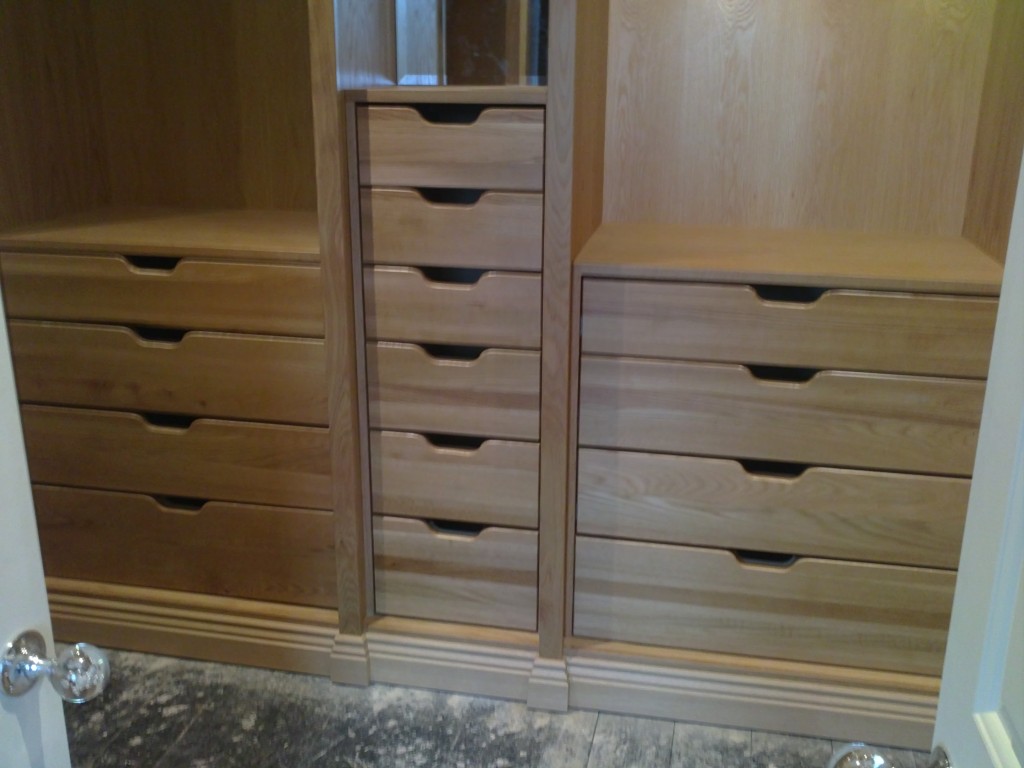
Most of my Hightown work is outdoor: hardwood decking runs that take sea-air punishment, treated timber fences along the side roads, bespoke garden gates with galvanised long-throw hinges, and porches over front doors to take the edge off the wind. Interior work is more occasional - some fitted wardrobes and alcove cupboards in the Edwardian villas near the nature reserve end of the village.
Working around Formby Point nature reserve
The southern edge of Hightown runs into the Formby Point nature reserve - protected dunes, red-squirrel habitat, and restricted access in places. Joinery work on properties backing onto the reserve occasionally needs careful handling to avoid disturbing protected areas, and any fence or boundary work on that side has to stay within the property line. I'm used to working in environmentally sensitive areas and will never cut corners on access.