Banks is about 5 minutes from Southport, across the Ribble marshland to the north. It's mostly agricultural - farmhouse-style properties, rural detached homes, and some newer development around the village centre. Rural jobs often mean bespoke gates, long fence runs, barn-conversion internal joinery, and solid oak doors built to last.
Rural joinery: what's different about Banks
Banks is predominantly farming country - the landscape north of Southport opens into big, flat fields running down to the Ribble estuary, and a lot of the housing stock is traditional farmhouse architecture. That means thicker walls, original exposed beams, deep window reveals, and traditional expectations around materials: oak rather than softwood, painted finishes rather than lacquered, solid-wood doors rather than modern 4-panel.
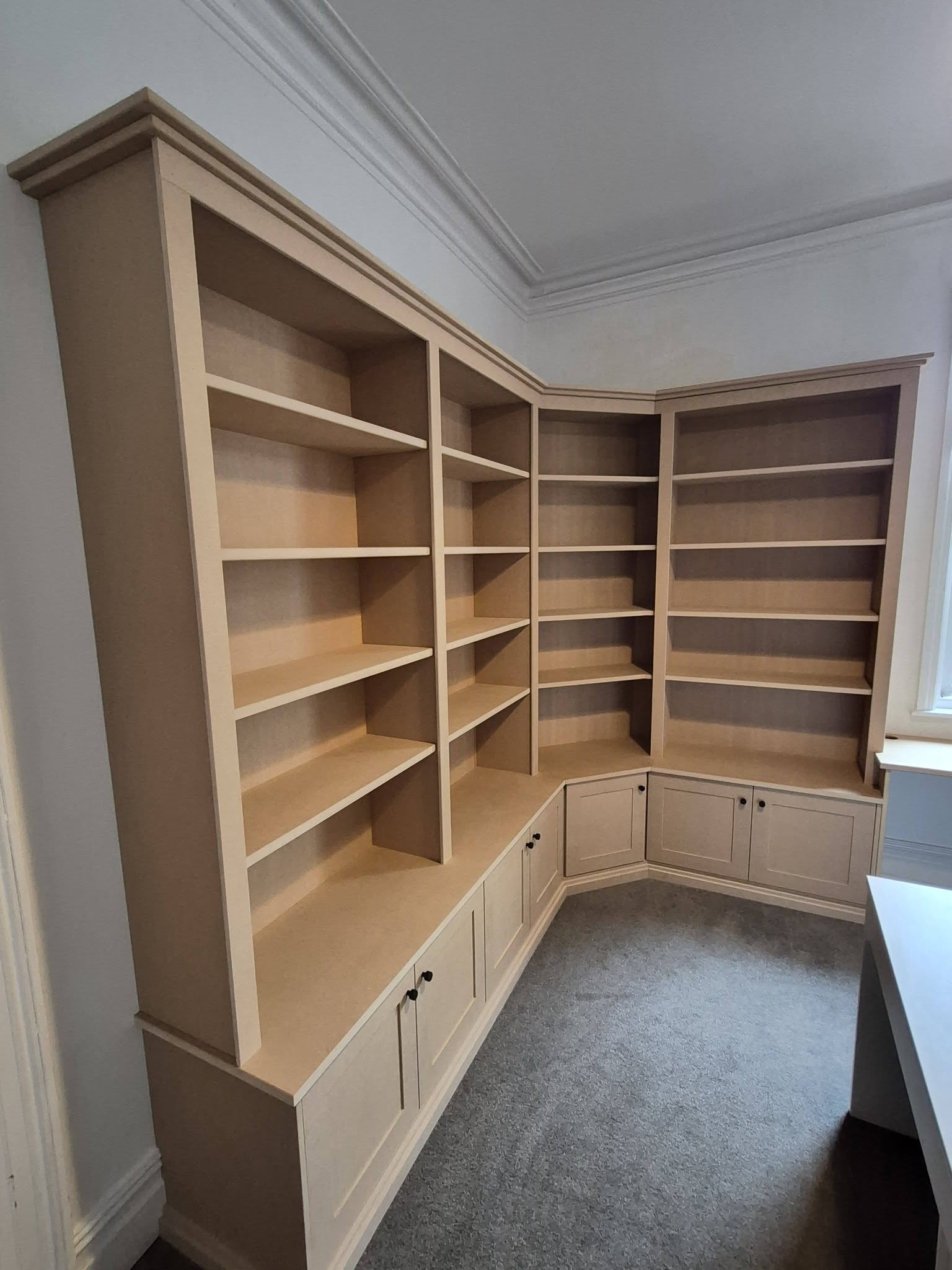
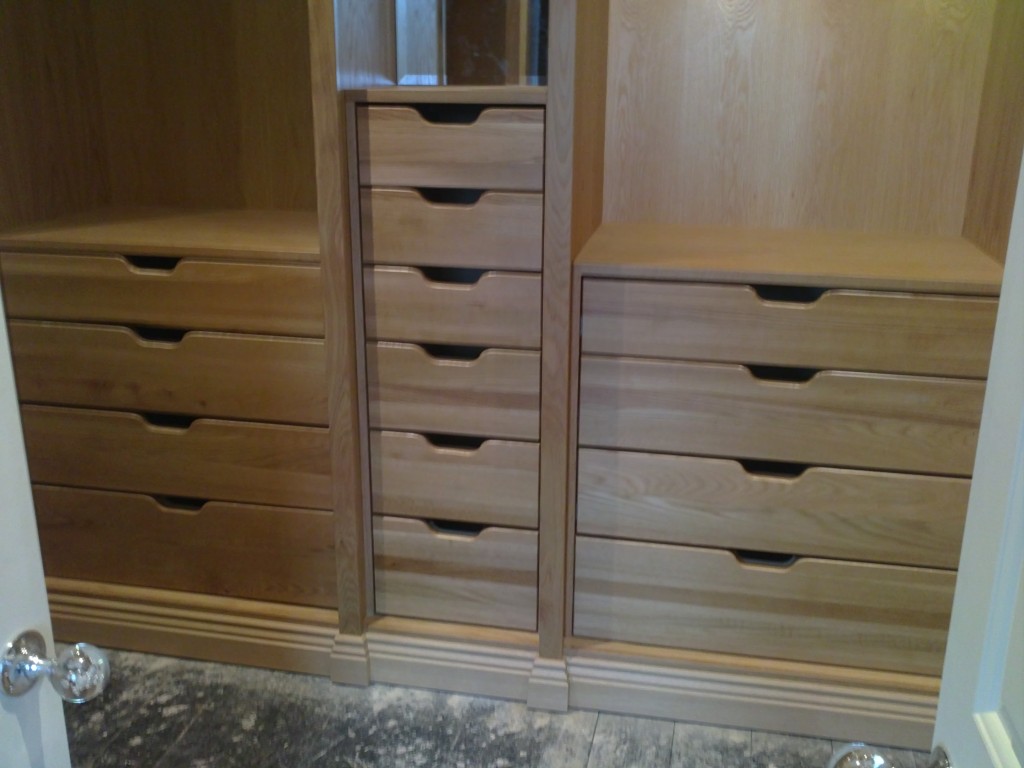
For the newer estate housing around the village centre the work is more conventional - wardrobes, alcove cupboards, and standard internal joinery. But even there, the rural setting tends to push people towards more traditional finishes.
Gates, fences, and stock-proof boundaries
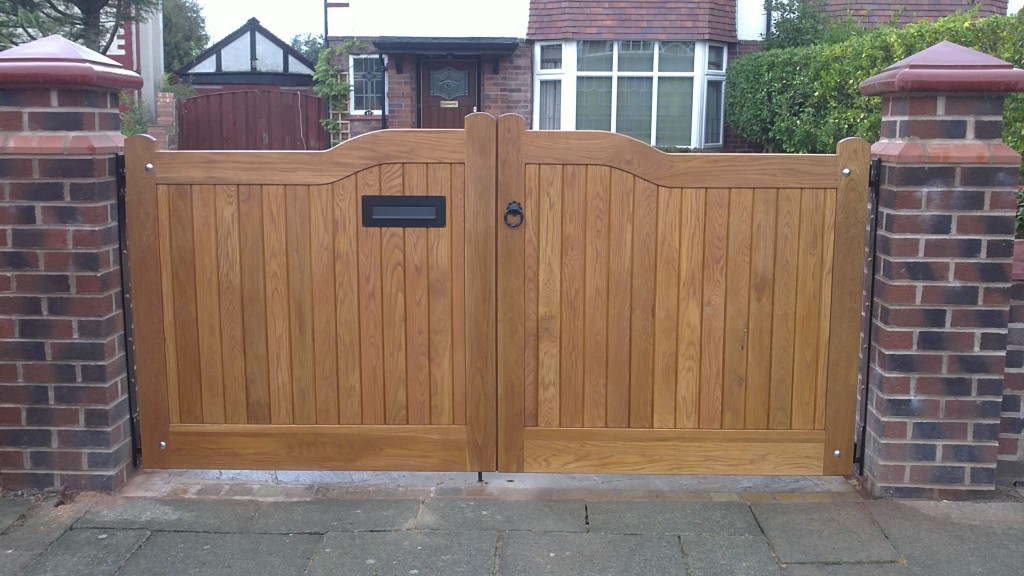
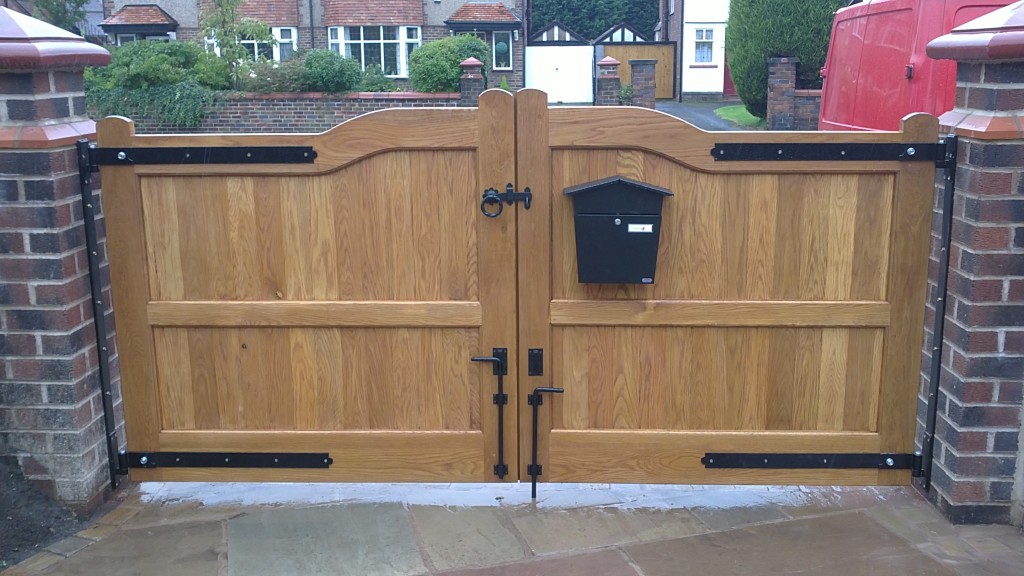
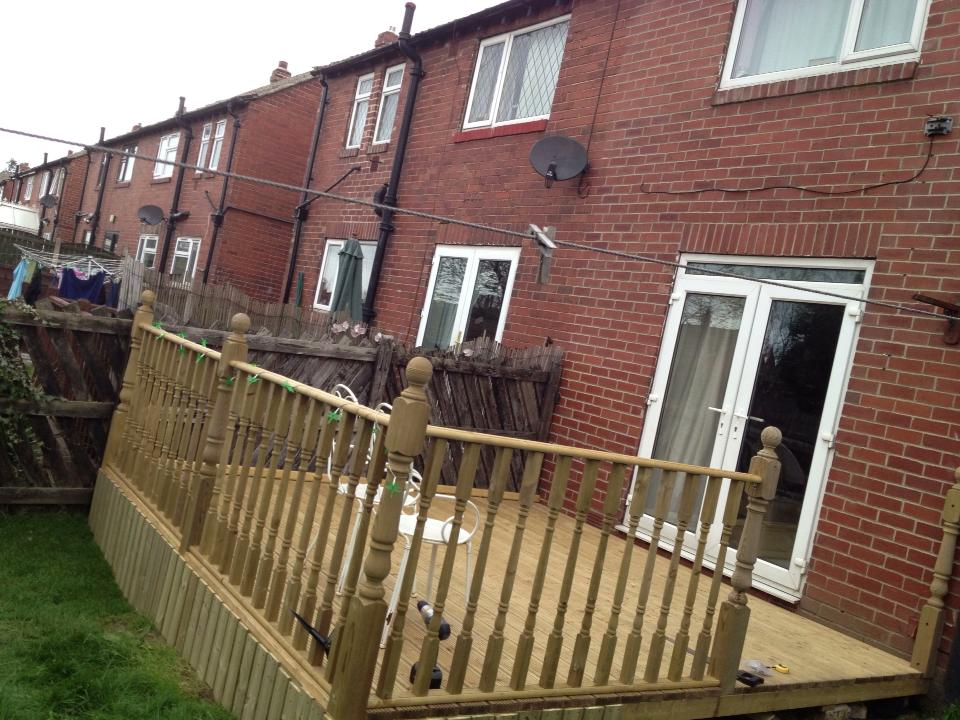
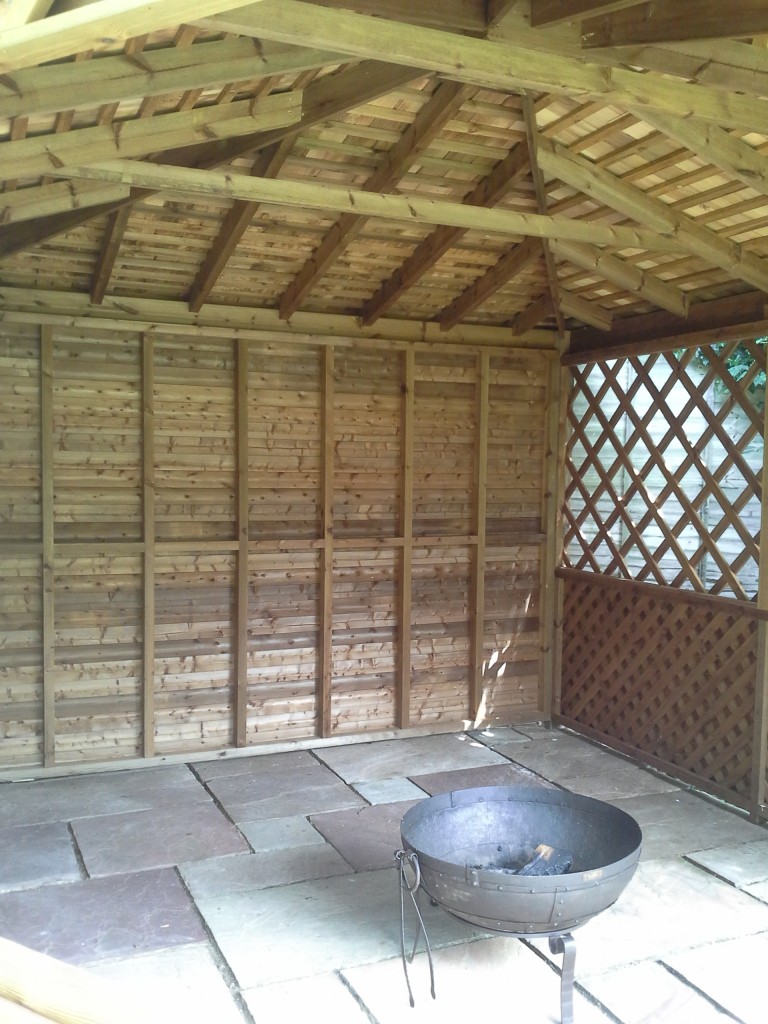
A lot of my Banks work is outdoor boundary joinery: field gates, fences along driveways, oak driveway gates at rural property entrances. For agricultural-adjacent properties we often need to think about livestock - stock-proof fencing (close-boarded, no gaps), heavier gate construction to cope with field vehicles, and posts deep enough to survive cattle leaning on them. Galvanised long-throw hinges are standard.
Barn conversions and farmhouse fits
Banks has a steady flow of barn-conversion projects - traditional outbuildings being turned into homes, annexes, or home offices. These need sympathetic joinery: reclaimed oak beams where possible, solid-wood internal doors, matched staircases, and built-in furniture that works around the original structure rather than fighting it. I've done several Banks barn conversions and genuinely love the work.