Slatted, lattice, solid-front, glass - the style choice
Slatted front (horizontal or vertical slats with consistent gaps) is the contemporary default - clean modern look, excellent airflow, easy to paint. I typically use 18x45mm softwood slats at 20mm gaps.
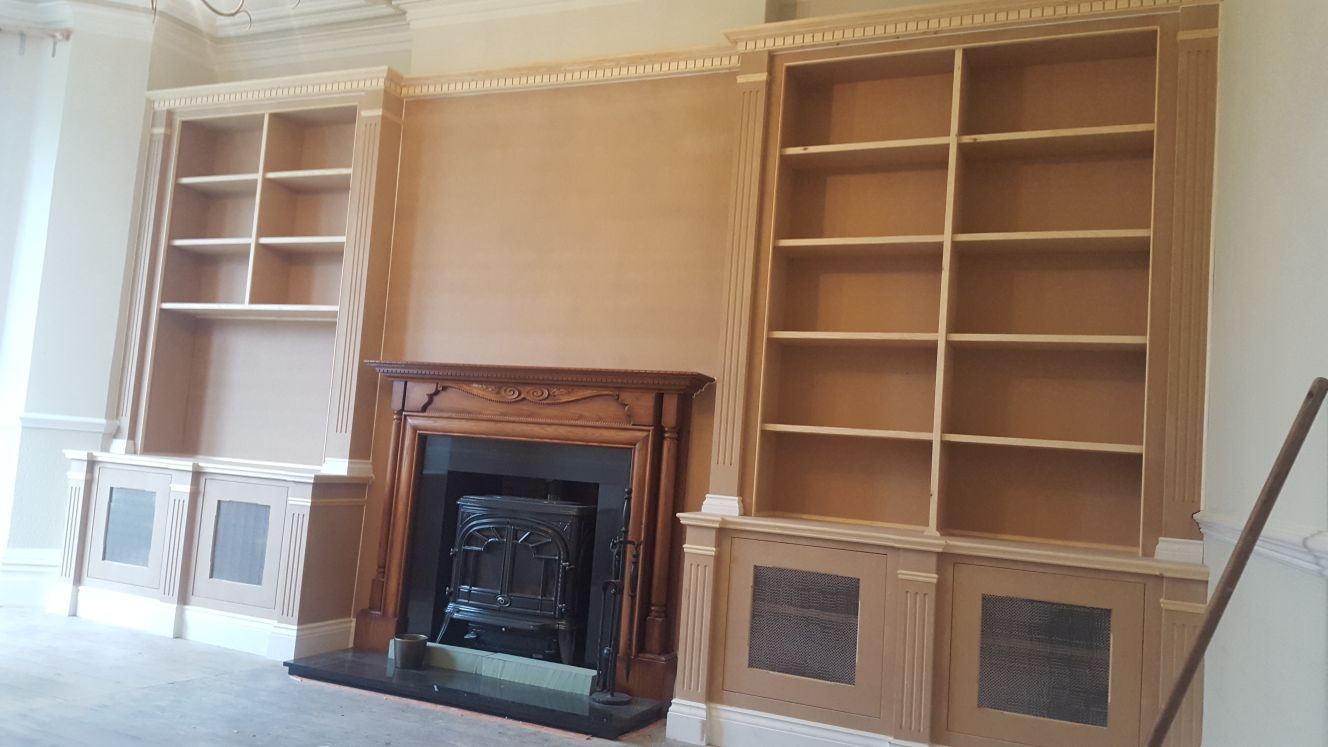
Lattice or criss-cross front is the traditional choice, sitting well in period homes with dado rails and cornices. I'll machine my own lattice rather than using the cheap pre-made panels from DIY shops - the difference in proportion is obvious.
Solid-front with a few decorative cut-outs is a middle-ground choice - more architectural presence than slats, still some airflow. Good for feature covers in entry halls.
Glass-fronted (reeded or fluted glass in a painted frame) is the premium contemporary option. Maximum airflow, striking aesthetic. Great in cloakrooms and hallways where you want the cover to be a design feature.
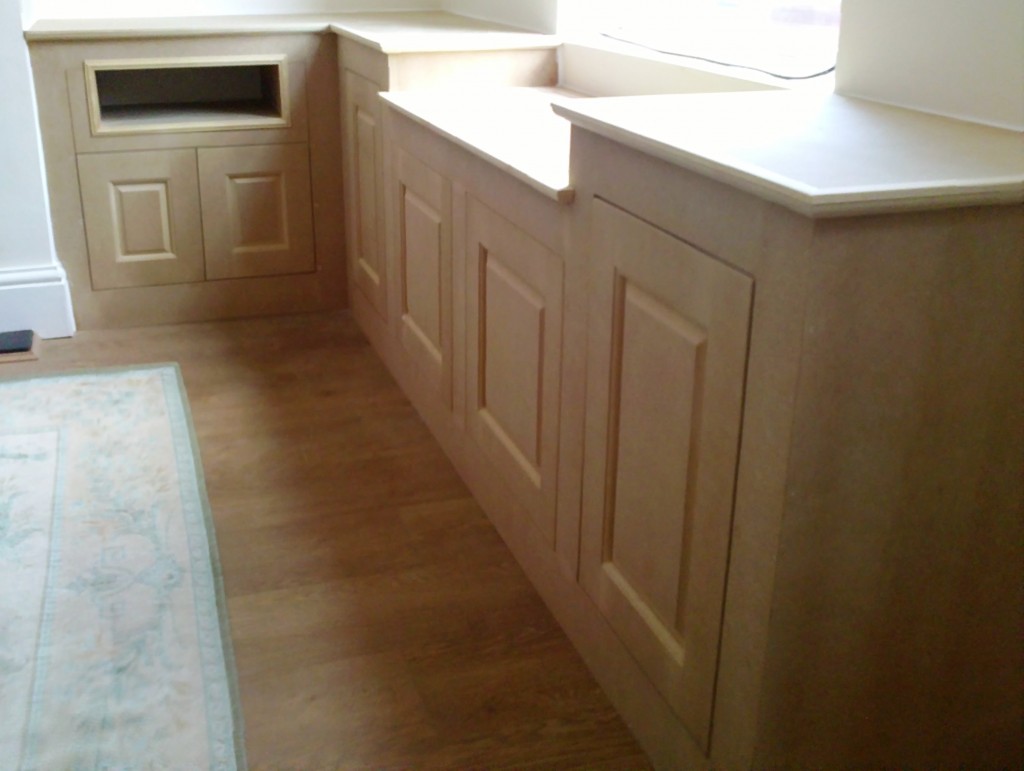
For all four styles, the top and sides are solid MDF or timber, primed and painted or oiled to suit. Standard height is 200mm above the radiator top plate (for best airflow) and covers should extend 50mm beyond each side of the radiator.
Heat output and airflow considerations
The big myth about radiator covers is that they 'trap' heat and reduce output dramatically. In reality, a well-designed cover reduces measured heat output by only about 5-7% - negligible in practice - as long as it follows a few simple rules:
Airflow at the top (minimum 200mm gap between radiator and cover top), a slatted or gridded front (solid fronts block convection), a clear gap underneath, and the radiator itself sitting slightly proud of the cover back (so air can flow up the back of the radiator too).
Thermostatic radiator valves (TRVs) need to be accessible. I either cut a service cut-out in the side of the cover or fit the cover so it lifts off for servicing. For smart TRVs (Tado, Hive, Wiser) a front-facing cut-out is needed so the sensor reads ambient room temperature, not the cover internal temperature.
Installed vs removable, and why it matters
I build every radiator cover to be removable - screwed to the wall via hidden brackets, not pinned permanently. Reason: radiators need servicing, plumbers need access, and houses change. A cover that comes off in 60 seconds makes every subsequent repair simple.
Fitted means the cover sits flat to the wall and the skirting, with the top shelf acting as a genuine usable surface. Decorative knick-knacks, lamps, framed photos all look at home on a well-proportioned cover shelf.
I rarely recommend full-height floor-to-ceiling radiator surrounds - they look contrived and restrict heat output. A standard 200mm above the radiator top is the right height.